Milking’s just started, and the vat fills a bit more every day. As the herd calves and cows come into full production, your daily volume builds toward peak milk over the next couple of months, the busiest, highest-output stretch of the season. It’s also when your vat is under the most pressure all year.
Rising volume, a hard-working cooling system, a flat-out calendar: that’s exactly when a small vat problem turns expensive, and when knowing what your vat’s doing, in real time, matters most.
Why the run to peak milk is the vat’s hardest test
On the way to peak, three things move the wrong way at once:
• Volume climbs fast. More cows in milk means the vat fills quicker. A capacity that felt fine in early spring can get tight within weeks, and a missed pickup gets costly.
• Cooling works harder. More warm milk means more heat to pull out, in the same time. A plant that just coped at low volume can start missing cooling targets.
• You’re busier than ever. Peak season leaves the least slack in your day to notice a vat that’s not keeping up.
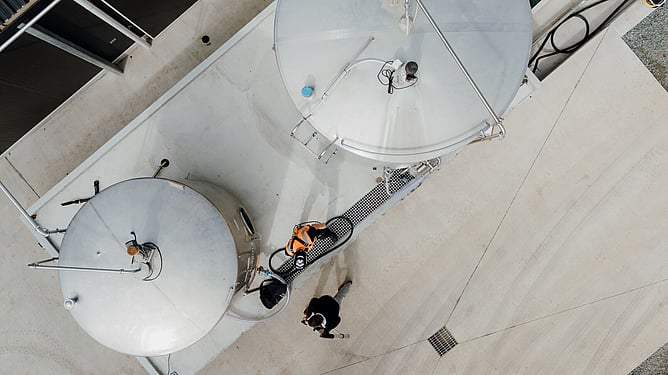
And the targets don’t budge. Under NZCP1, milk must reach 10°C within four hours of starting milking, 6°C within the sooner of six hours from the start or two from the end, then hold at or below 6°C. Hitting that every milking at peak volume is a real test.
How live vat monitoring changes the picture
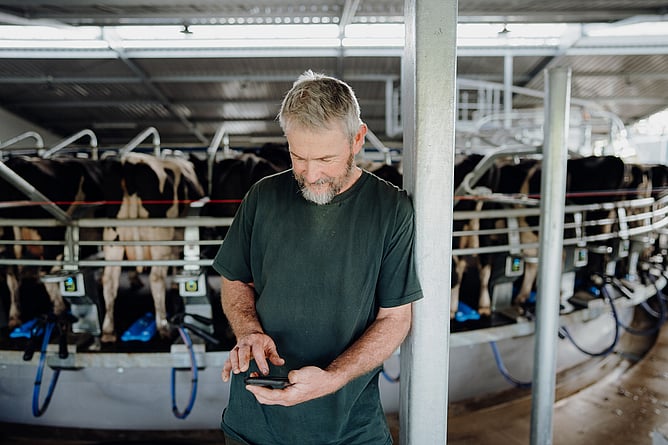
Real-time telemetry closes the gap. Instead of finding out at pickup, Agora puts your vat, right now, on your phone:
• Live temperature. See milk hitting the cooling curve, and get an alert the moment it isn’t.
• Real-time volume. Know how full the vat is from anywhere, so you can plan pickups and avoid overflow.
• Alerts first. Cooling faults, agitation problems or drifting temps ping you directly, overnight included.
• Fewer shed trips. Check the vat from the tractor or the kitchen table.

It won’t cool your vat faster, but you’ll know about a problem while there’s still time to fix it. At peak milk, that’s where the grades and lost milk live.
Frequently asked questions
What is peak milk?
Peak milk is when your herd’s daily production is at its highest, typically October and November in New Zealand, once most of the herd has calved. It’s the highest-volume, highest-pressure stretch for your vat and cooling system.
How does live vat monitoring help with milk cooling compliance?
It shows you in real time whether your milk is meeting the NZCP1 cooling targets, and alerts you the moment temperatures drift, so you can act before milk is out of spec.
Can I check my vat when I’m away from the shed?
Yes, that’s the point. Agora puts live volume and temperature on your phone from anywhere.
Head into peak with eyes on your vat
Agora gives you live visibility of your vat’s volume and temperature, with alerts that reach you before a problem reaches your grade record. Get set up now, while volumes are still climbing, and head into peak knowing your vat is covered. Talk to the Agora team today.

