Calving season is when everything on the farm gets stretched; staff, time, and equipment. Your milk vat is no exception. As herds build back up to full production and milking routines shift week to week, vats are working harder than at almost any other point in the season. It's also, unsurprisingly, when quality events are most likely to happen.
Here's why calving season puts extra load on your vat, and what to keep an eye on.
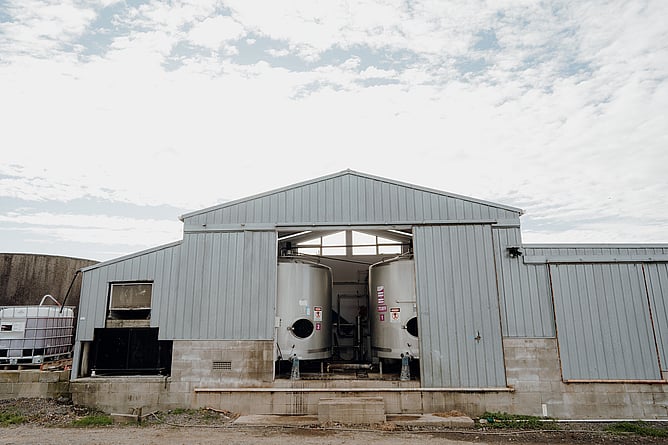
Why Calving Season Puts Vats Under More Pressure
Volumes Change Fast
Unlike the steady state of mid-season milking, calving volumes climb week by week as more cows come into the herd. A vat that was comfortably managing load one week can be running close to capacity the next. Fast-changing volumes make it easy for a vat to be pushed harder than usual without anyone noticing until collection day.
Cooling Systems Work Overtime
More milk means more heat load to remove, and it needs to happen fast. Refrigeration and plate coolers that coped fine over winter can start to lag once volumes ramp up, especially if maintenance was left until now. A vat that's slow to cool is one of the most common precursors to a rejected load.
Routines Are Less Predictable
Calving season often means irregular milking times, relief staff covering shifts, and less consistency in shed routines generally. That makes it easier for something - an agitator cycle, a CIP wash, a cooling check - to be missed simply because the usual rhythm isn't there yet.
Everyone's Attention Is Split
At calving, farm staff are pulled in a dozen directions; new calves, herd health, feeding, and a vat that, most of the time, quietly does its job in the background. It's the time of year a vat problem is least likely to be caught early by a physical check, simply because there's less time to walk out and look.
What to Watch For During Calving
● Cooling curves - is the vat reaching target temperature within the expected window after each milking, even as volumes increase?
● Agitator cycling - is it running consistently, especially across shift changes or when relief staff are milking?
● CIP completion - are wash cycles completing fully, every time, even on the busiest days?
● Overnight performance - a vat that's fine during the day can drift on a mild night if refrigeration is working harder than usual.
Missing any one of these is exactly how quality events happen. See our breakdown of the true cost of a milk quality event for what a single rejected load can actually mean for your farm.

Why Calving Season Is When Real-Time Monitoring Pays for Itself
A single rejected load during calving doesn't just cost the milk, it lands at the exact time of year when staff have the least capacity to deal with the fallout. That's what makes calving the season where real-time vat monitoring earns its keep fastest.
Agora's telemetry system tracks vat temperature, agitation, and CIP cycles continuously, and sends an alert straight to your phone the moment something starts to drift, whether that's a slow cooling curve as volumes build, an agitator that's stopped cycling, or a wash that didn't complete. Instead of finding out when the tanker arrives, you find out in time to fix it. See the full breakdown on our Solutions page.
For farms managing relief staff or irregular routines through calving, that visibility matters even more. You don't need to be the one physically checking the vat to know it's doing what it should.
Get Ahead of Calving Season
If your vat monitoring setup hasn't been reviewed since last season, now, before volumes peak, is the time to do it. Get in touch with the Agora team to talk through what real-time visibility could look like on your farm this calving.

